Gutter Cleaning in Caledonia, MI
Village and Township Are Different Places
Caledonia is two things with one name, and confusing them causes real problems. There is the Village of Caledonia, an incorporated village with its own government, and there is the much larger Caledonia Charter Township surrounding it. Most addresses people call us about are township rather than village, and the two are administered separately, so the first thing we establish is which one covers your property. The landscape is the other defining feature. The Thornapple River runs north through the middle of the township, and the area carries a genuine network of water in Duncan Lake, Emmons Lake, Barber Lake and the Coldwater River. That matters for gutters in a specific way. On property where the ground already carries water in spring, roof discharge released near the foundation compounds a load the soil is struggling with, and the wet basement corner that follows gets blamed on everything except the downspout that caused it.
Lakes, Creeks and Where Roof Water Goes
The housing here is newer and lower density than the rest of the ring. A great deal of Caledonia was farmland and woods within living memory, and much of what stands now went up as planned subdivisions over the last two decades, sitting alongside older farmhouses and semi-rural properties on larger parcels. That mix produces two different jobs. On newer construction the gutters are rarely worn out, and what we find instead is original installation that was adequate rather than correct, with outlet counts set by convention rather than by roof area. On the older rural stock the issue is exposure and time, with long unshaded runs and fascia that has been weathering without much attention. Rolling ground through the township means discharge planning changes from one property to the next. A new build off Kraft Avenue and a farmhouse out toward Whitneyville Avenue need different answers, and neither resembles the older housing inside the Village of Caledonia.
Which Authority Covers Your Address
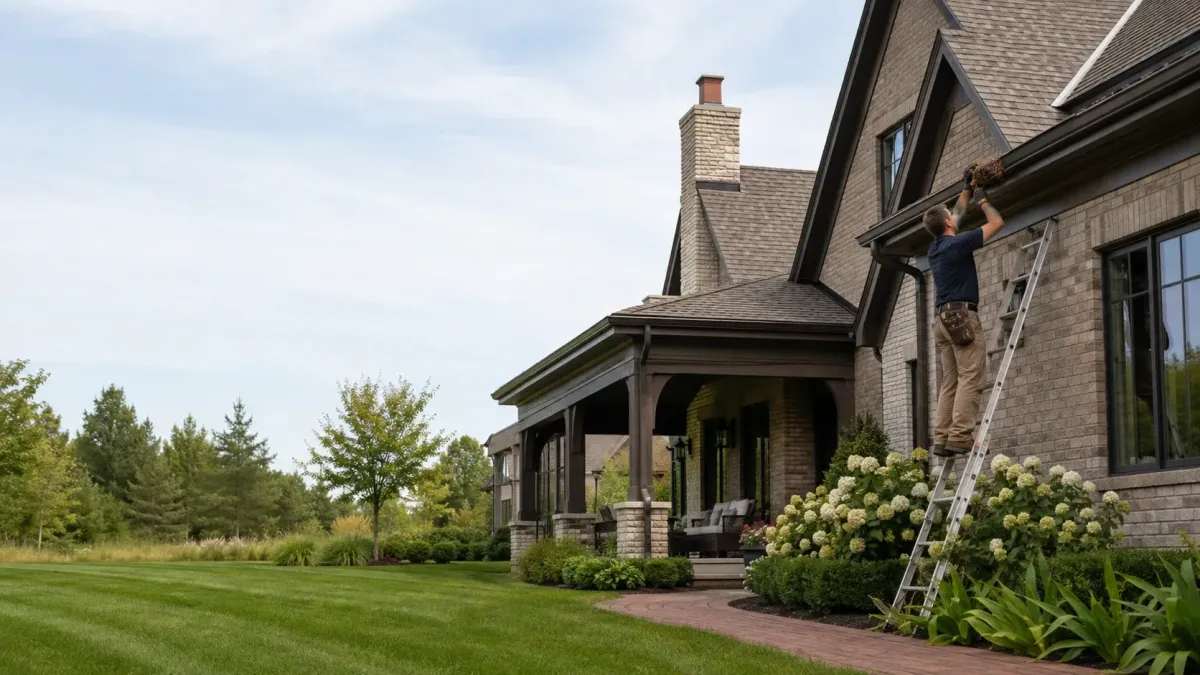
Repairs in Caledonia divide by the age of the property. On the newer subdivisions off Kraft Avenue, most calls are about runs that have never worked properly rather than runs that have failed, which usually traces to pitch set carelessly at install or hangers spaced too far apart for the roof above them. Those are satisfying repairs because the fix is permanent and the materials are still sound. On older farmhouses and semi-rural parcels out toward Whitneyville Avenue the picture is different, with long exposed runs, weathered fascia, and decades of accumulated movement. There the honest answer is sometimes that a repair is a temporary measure. We tell you which situation you are in before quoting, because the two deserve different decisions. The Village of Caledonia streets sit between them, with older housing on smaller lots and fascia that has generally had more attention than the rural parcels have.
Spring Runoff and Discharge Planning
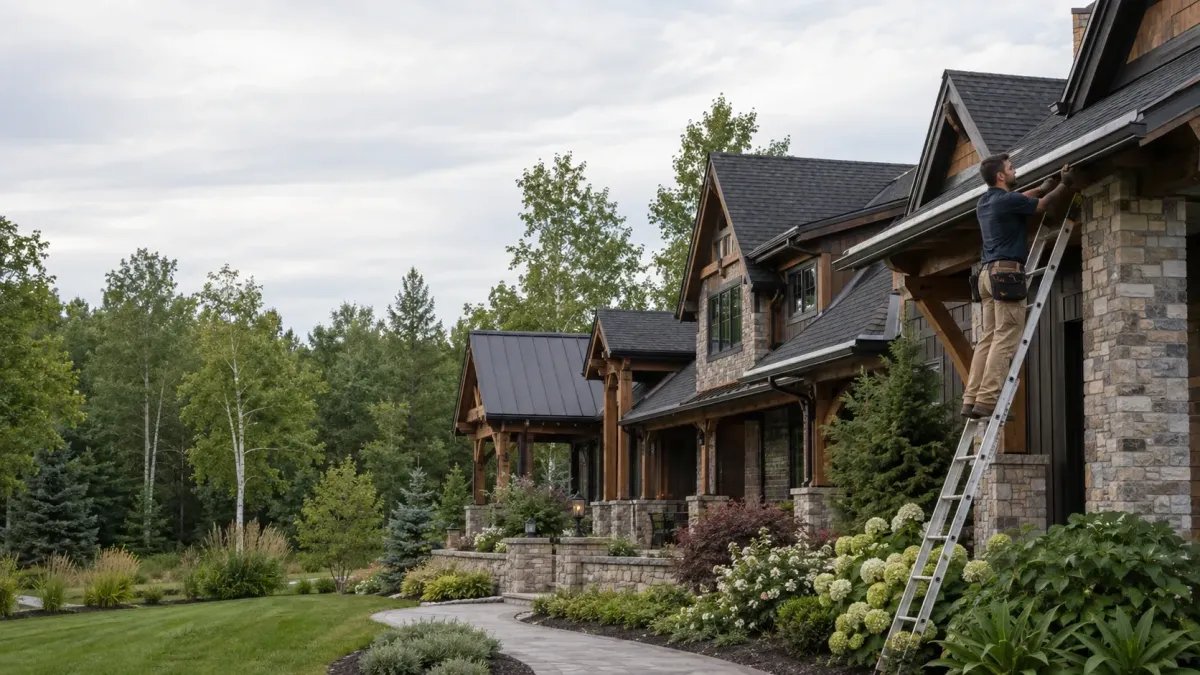
Replacement across Caledonia Charter Township is mostly about correcting outlet count and planning where water goes. Newer construction here frequently carries the minimum number of downspouts the builder could justify, which is why a system that looks almost new still overflows in a serious rain. We measure the roof planes and add outlets where the numbers call for them. Discharge then gets planned against the specific ground, and in an area carrying this much water in Duncan Lake, Emmons Lake and the creeks feeding the Thornapple River, that is not a detail. On rolling parcels the fall is sometimes generous enough that a simple extension works. On flatter ground near the water it usually is not, and we price accordingly. Around Duncan Lake and Barber Lake especially, we plan the discharge run before quoting the trough, because that is the part deciding whether the basement stays dry.
What Newer Construction Needs
Cleaning schedules in Caledonia vary more than anywhere else we work, because the property types are so different. A newer subdivision home with young landscaping may genuinely need one thorough clearing a year, and we would rather say that than sell a second visit that does nothing. An older parcel with mature trees along a lot line needs the standard two, with the fall visit timed late. Semi-rural properties add a variable that suburban ones do not, since open exposure means more windborne material and grit in the trough even without heavy canopy. We set the interval after seeing what actually comes out, then adjust it once we know the property. A wooded parcel near Duncan Lake and a new build off Kraft Avenue are not the same job on the same schedule, and we would rather run two different intervals than one average that suits neither.
Gutters only, in Kentwood and the townships around it
Proudly serving Kentwood, East Grand Rapids, Cutlerville, Cascade, Caledonia and Forest Hills for years.
Comprehensive Gutter Services Services in Kentwood
Tailored to Your Needs
Ten services, and they are not variations on one job. Clearing a trough, rehanging a run that has pulled off the fascia, and putting in a new seamless system are separate scopes with separate prices. Start with the one that matches what you are seeing.
A repair addresses failures local to one run rather than a system that is finished.

Replacement is warranted when failures repeat across elevations rather than at one point.
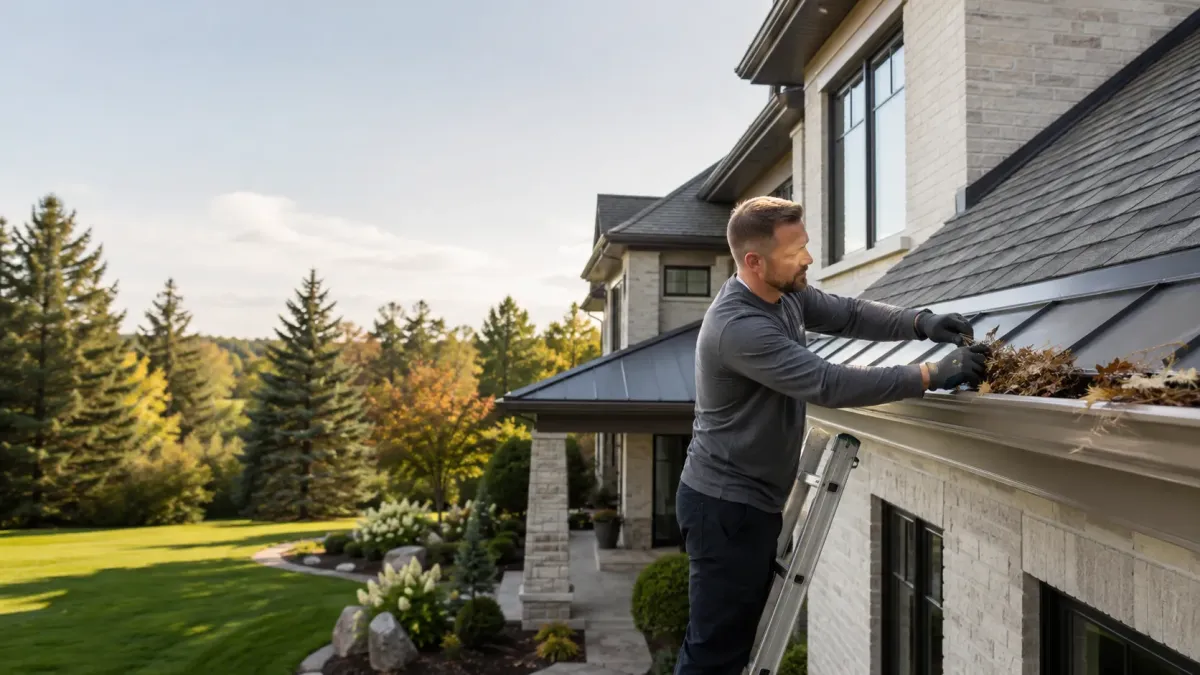
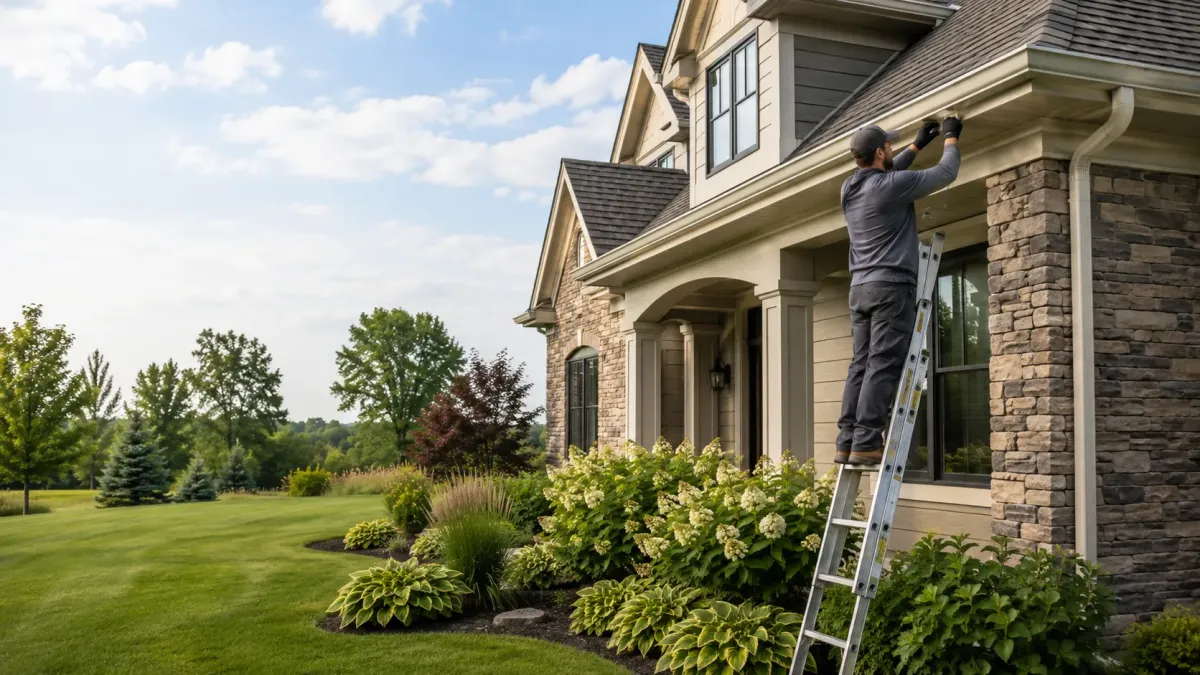
Cleaning clears the trough, flushes the downspouts, and confirms the water actually leaves.
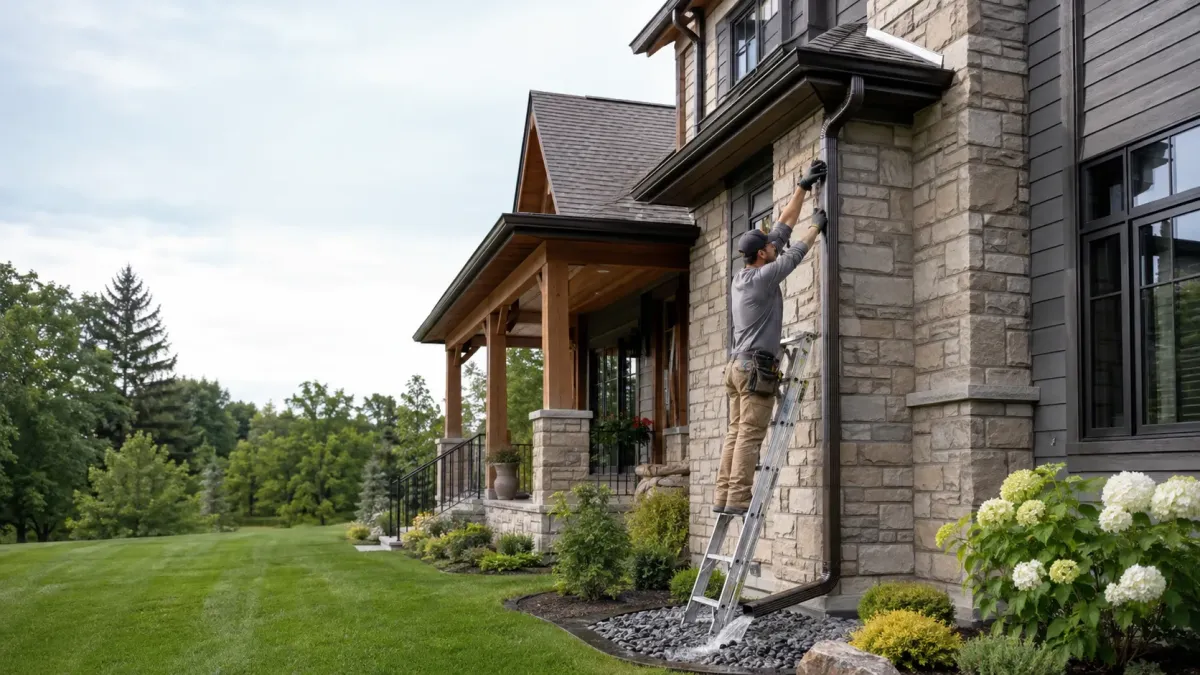
Downspout work decides where roof water ends up once it leaves the trough.
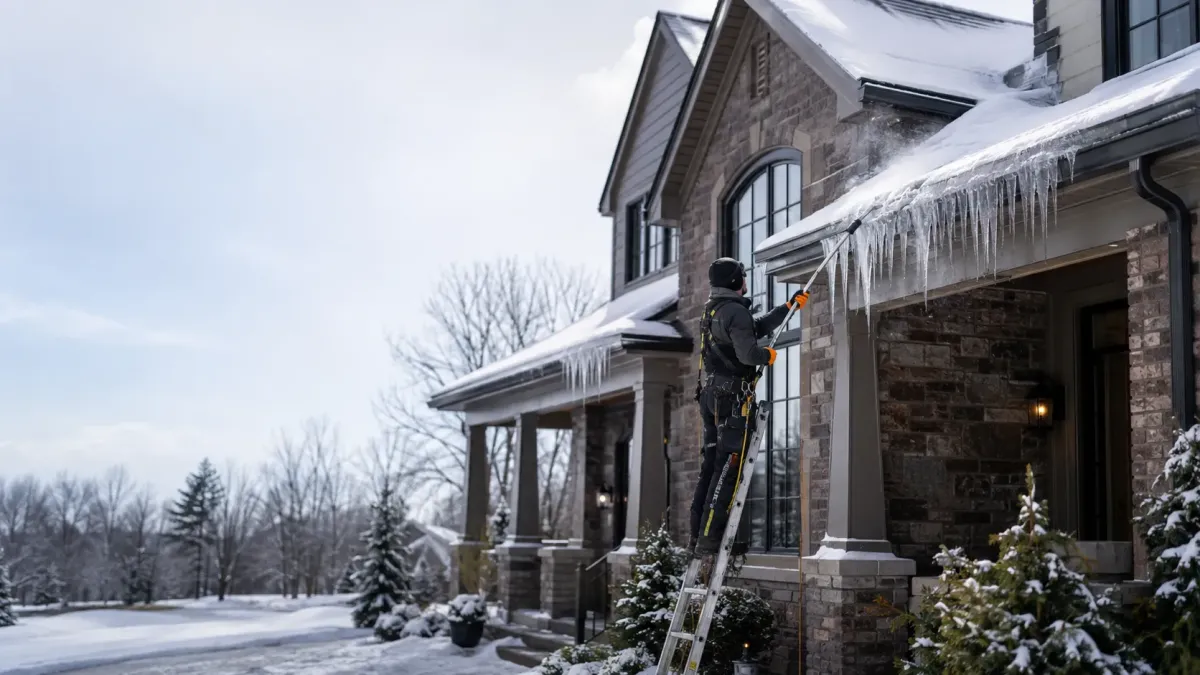
Ice dams form when meltwater refreezes at a cold eave and backs up under shingles.
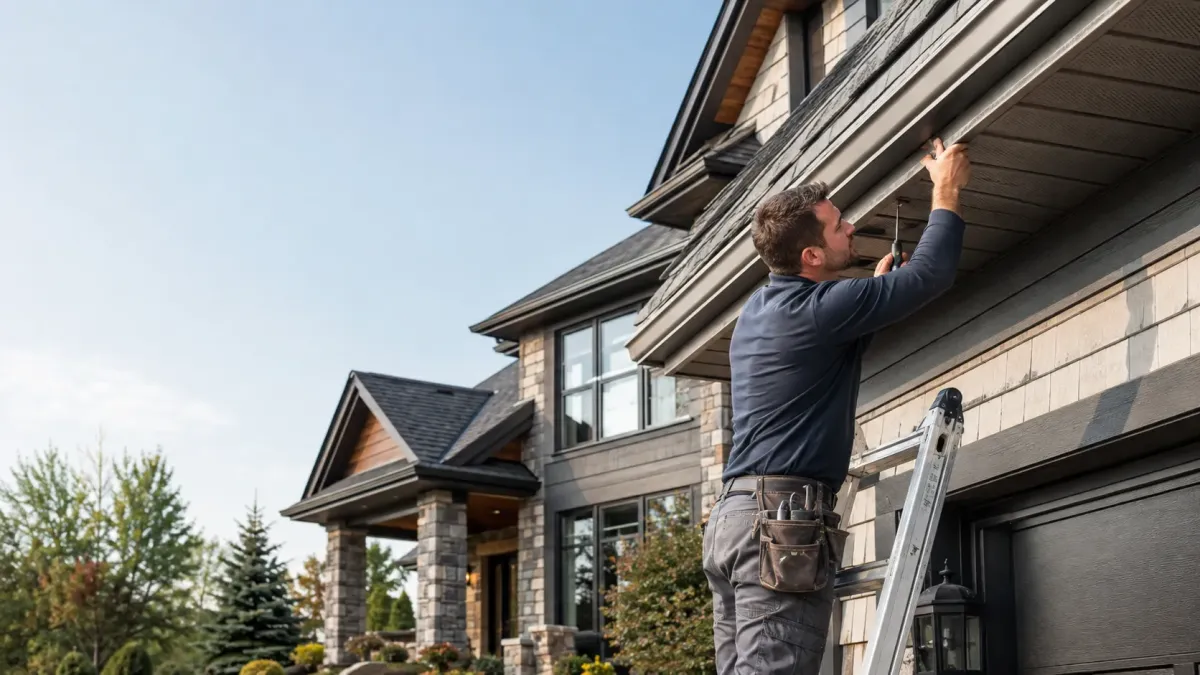
Fascia carries the hangers, so its condition decides whether new gutters will hold.
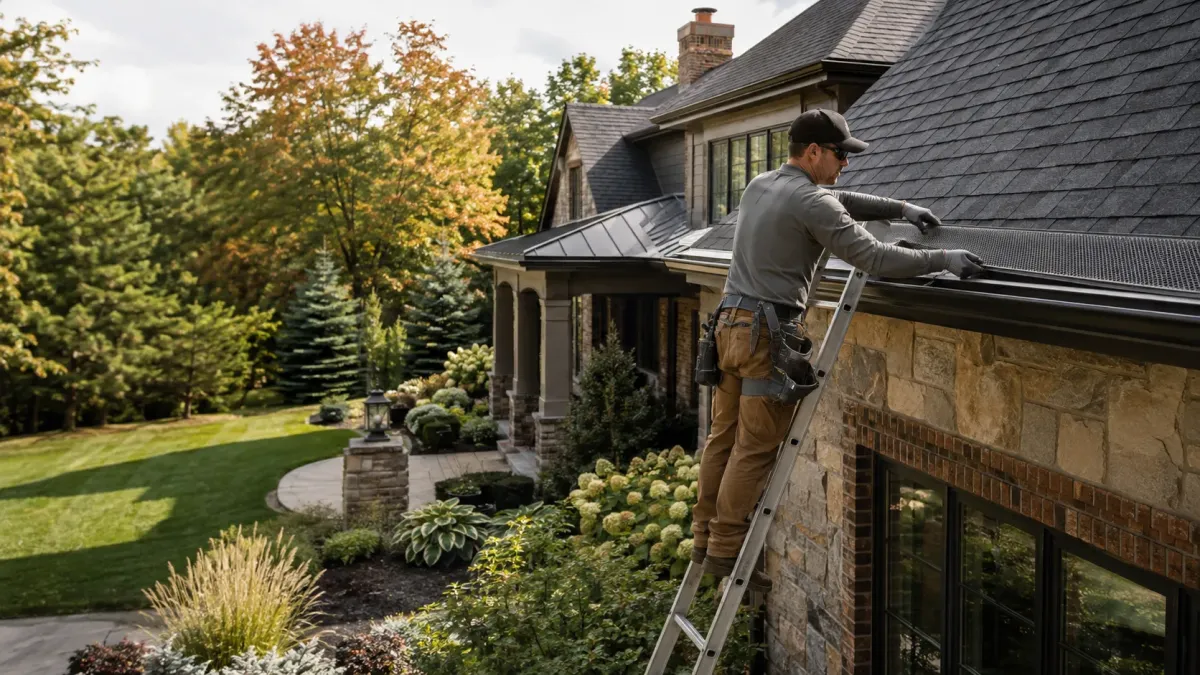
Guards reduce how often a trough needs clearing rather than eliminating the need.
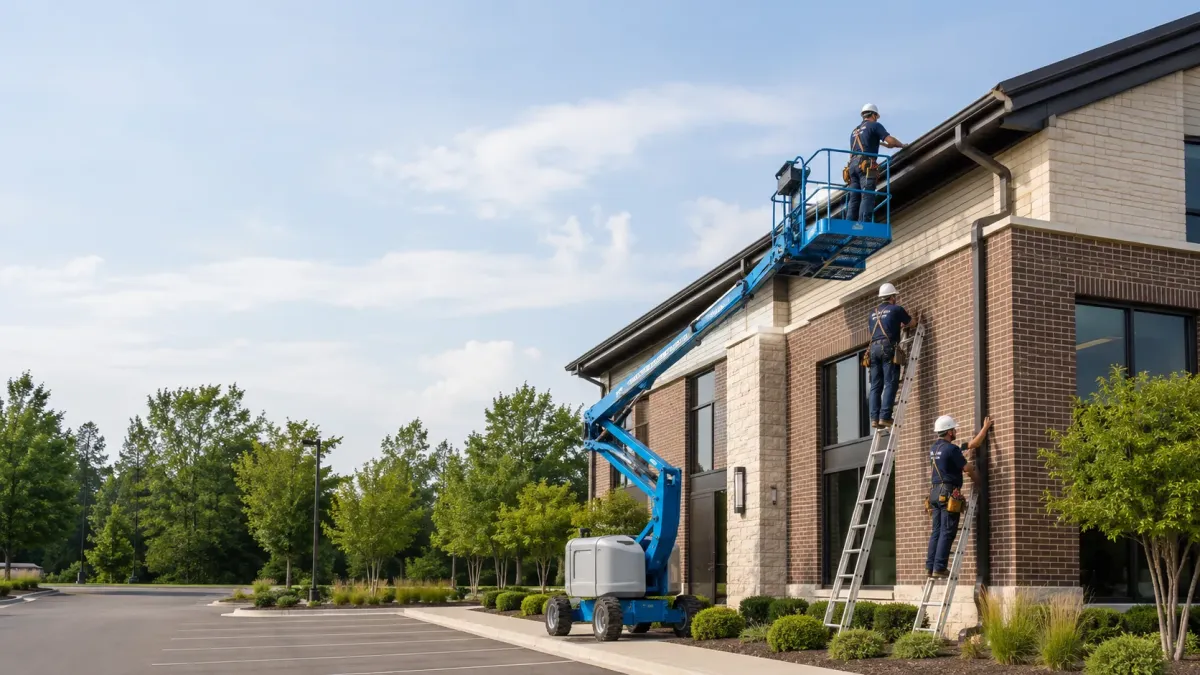
Commercial roofs drain more water through fewer outlets, so sizing governs everything.
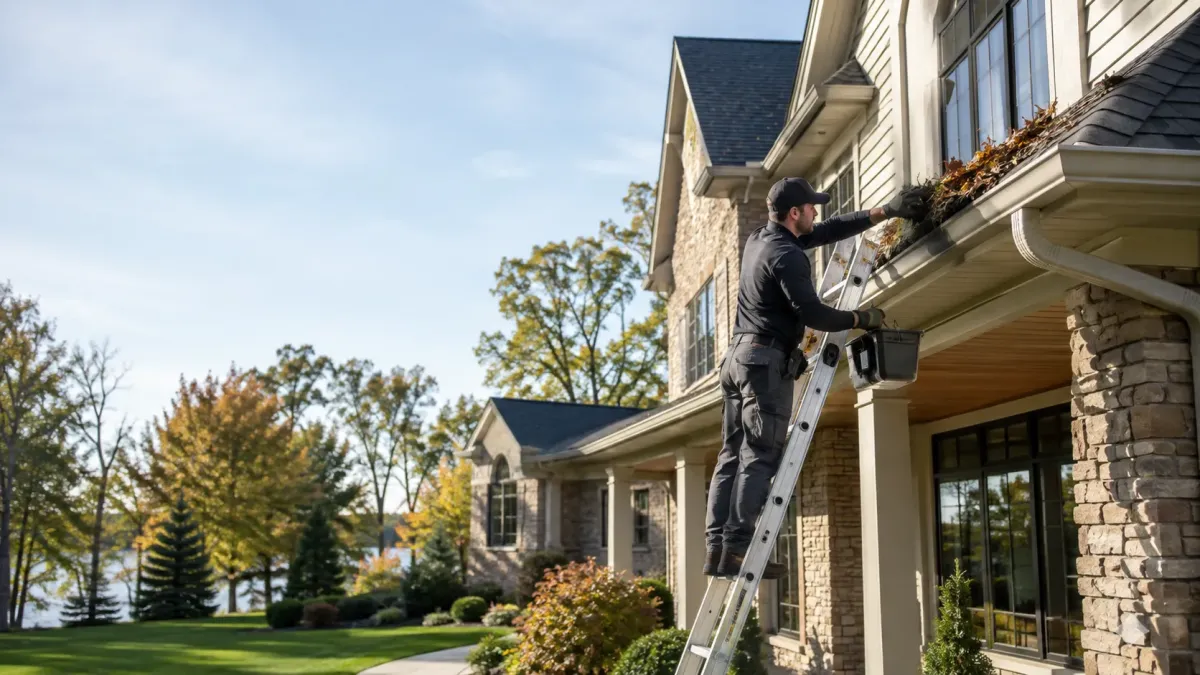
Eavestrough cleaning is gutter clearing under the name many locals still use.
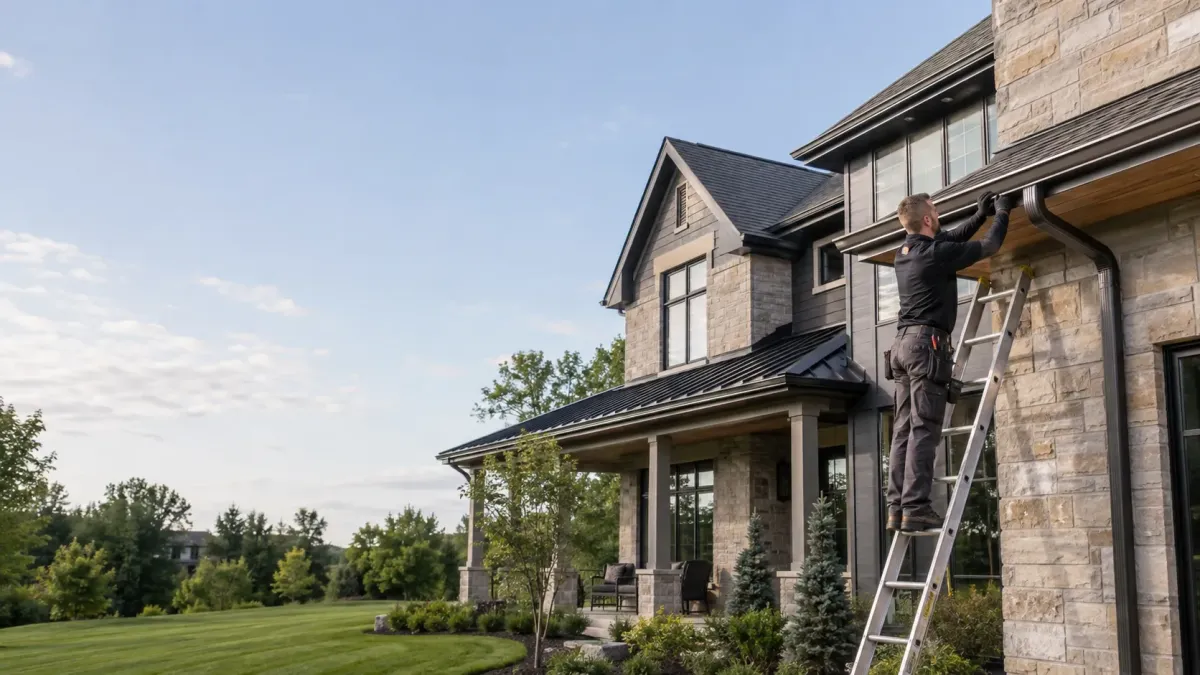
Seamless runs are formed on site to the exact length of each elevation.
Frequently Asked Questions
Gutter Services can be complex, and we’re here to provide answers to common questions. Here are some frequently asked questions from our clients.
Frequently Asked Questions about gutter cleaning kentwood mi
How much does gutter cleaning cost in Kentwood, MI?
There is no single price, and anyone quoting one sight unseen is guessing at your roof. Cost follows the linear footage of trough, how many stories the ladder has to reach, how much debris is actually in there, and whether guards have to come off and go back on first. We look at the roof, then give you the number.
When should I clean my gutters in Michigan?
Plan on twice a year for most homes here, once after the spring seed and blossom drop and once late in the fall after the last leaves are down. Under heavy oak or maple you will want a third visit, because oak holds its leaves long past the point most people have put the ladder away. The fall clearing is the one that matters most, since a packed trough going into a Michigan winter is how ice damming starts.
Are gutters required by code in Michigan?
There is no single answer that covers every address in this area. What is consistent is that roof water has to be carried away from the foundation, and how that gets achieved depends on grade, soil and the age of the house. We would rather look at where your water is actually going than argue about whether a code section applies.
Does Michigan require a permit for gutter installation?
It depends on the scope and on who covers your address. Routine cleaning and a straightforward repair are one thing. Replacing fascia, altering the roof edge, or reworking where water discharges can be another. Kentwood is a city with its own building office, while Cutlerville, Cascade, Caledonia and the Forest Hills area route through township offices, so we confirm with the right one before we schedule work that needs it.
How do I know if I need new gutters or just repairs?
Look at how the failure is distributed. One sagging run, a couple of loose brackets, or a single leaking seam is a repair, and a good one will hold for years. Separated seams in several places, trough that has pulled away along an entire elevation, or rust and pinholing across multiple runs means you are paying to patch a system that is finished. We tell you which one you have before we quote.
What is eavestrough cleaning and how often should I do it?
Eavestrough is the older regional word for the same trough that runs along your roof edge, and plenty of people here still use it. The cleaning is identical work under either name: clear the trough, flush the downspouts, and check that water actually leaves the far end. Same schedule too, twice a year for most homes and three times under heavy tree cover.
Still Have Questions About gutter cleaning kentwood mi?
Speak With a Trusted Gutter Services Expert Today.
What Our Satisfied Clients Have to Say About
We pride ourselves on delivering great results and experiences for each client. Hear directly from home and business owners who’ve trusted us with their Gutter Services needs.
The Trusted Gutter Services Expert Near You
Ready to hear more about expert services at ?
Contact us today to receive a detailed, no-obligation quote.


